Cart
0
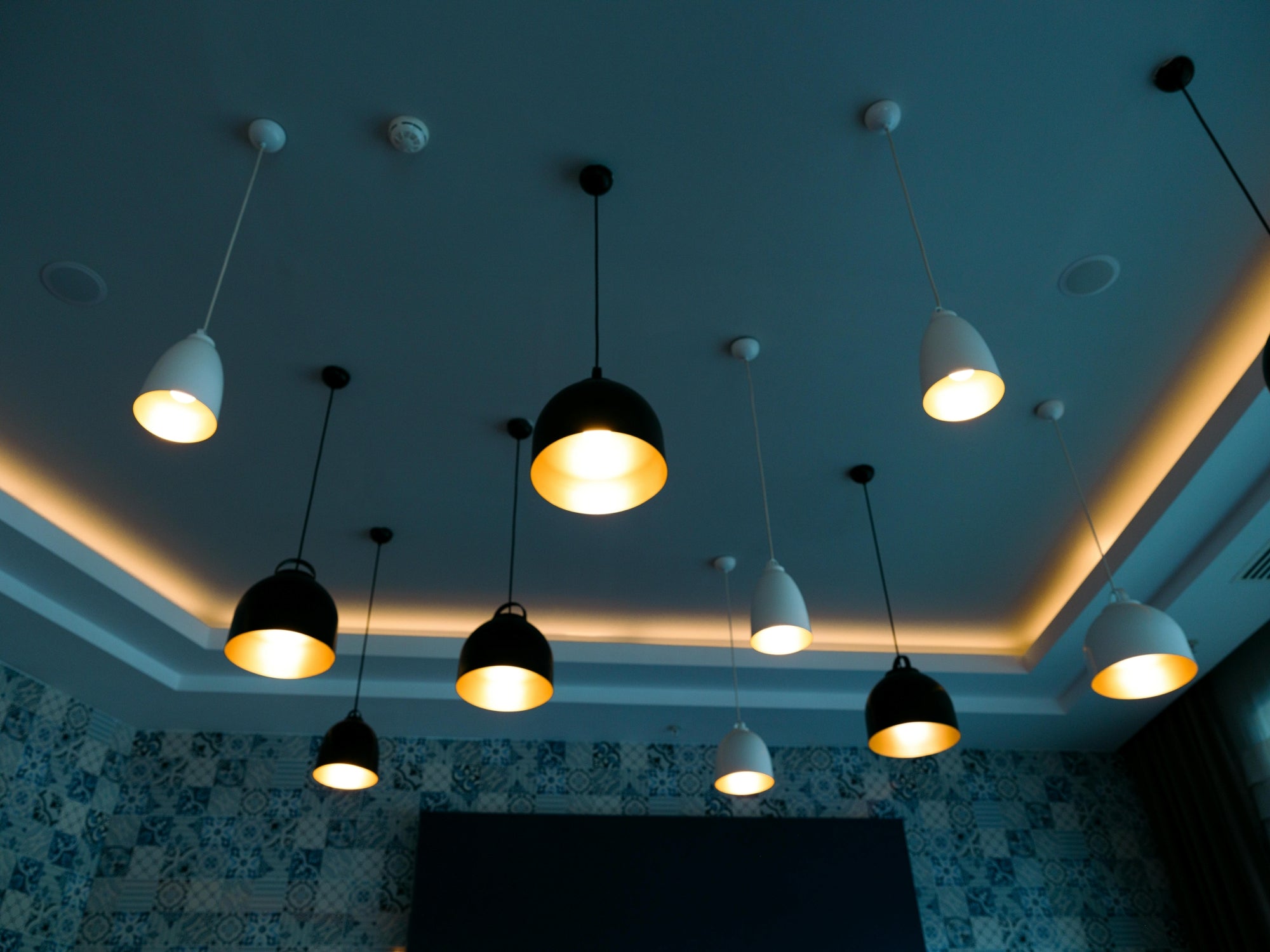
Lighting has evolved far beyond its original purpose of simple illumination. Today, it stands at the intersection of function, technology, and art—playing a central role in how we design and experience our spaces. Modern lighting is no longer just about brightness; it’s about atmosphere, identity, and intention.
From Function to Design Statement
In the past, lighting was often treated as a secondary element—something added at the end of a project purely for practicality. Today, it is one of the first considerations in interior design.
Modern lighting fixtures are designed to be seen. From sculptural ceiling pieces to elegantly minimal floor lamps, lighting now acts as a focal point that defines the character of a room. It’s not just about filling a space with light, but about shaping how that space feels.
The Shift Toward Minimalism and “Quiet Luxury”
One of the defining trends in modern lighting is the move toward simplicity. Clean lines, subtle finishes, and understated forms are replacing overly decorative designs.
This approach—often referred to as “quiet luxury”—focuses on refinement rather than excess. The beauty lies in the details: the precision of the structure, the quality of materials, and the softness of the light itself.
These designs blend seamlessly into interiors while still making a strong visual impact.
Innovation Through Technology
Technology has played a major role in shaping modern lighting design. The widespread use of LED lighting has opened up new possibilities in both form and function.
LEDs allow for:
- Slimmer, more flexible designs
- Longer lifespan and reduced maintenance
- Energy efficiency without compromising brightness
Beyond that, smart lighting systems are becoming increasingly popular. With the ability to control brightness, color temperature, and even timing through apps or voice commands, lighting is now more adaptable than ever.
Lighting as an Experience
Modern lighting is designed to create experiences, not just visibility. It influences mood, productivity, and even well-being.
Warm lighting can create a sense of calm and relaxation, while brighter, cooler tones can enhance focus and energy. Adjustable lighting allows users to tailor their environment throughout the day—shifting from functional to ambient as needed.
This emotional connection is what sets modern lighting apart. It becomes part of how we live, not just how we see.
Sustainability and Conscious Design
As design evolves, so does awareness. Sustainability has become a key factor in modern lighting.
Energy-efficient technologies reduce environmental impact, while durable materials ensure longer product lifecycles. Many designs now focus on reducing waste and promoting responsible production.
Choosing modern lighting is not just a style decision—it’s a step toward a more sustainable way of living.
Blending Art and Function
Perhaps the most exciting aspect of modern lighting is how it blurs the line between art and utility.
A well-designed light fixture can act as a sculptural element, adding personality and depth to a space even when it’s turned off. Designers are experimenting with shapes, materials, and light diffusion to create pieces that feel both functional and expressive.
This fusion transforms lighting into something more meaningful—an integral part of the overall design narrative.
Conclusion
The rise of modern lighting design reflects a broader shift in how we approach our living spaces. It’s no longer just about illumination—it’s about creating environments that feel intentional, comfortable, and inspiring.
By combining innovative technology, refined aesthetics, and thoughtful functionality, modern lighting continues to redefine what it means to truly light a space.