Cart
0
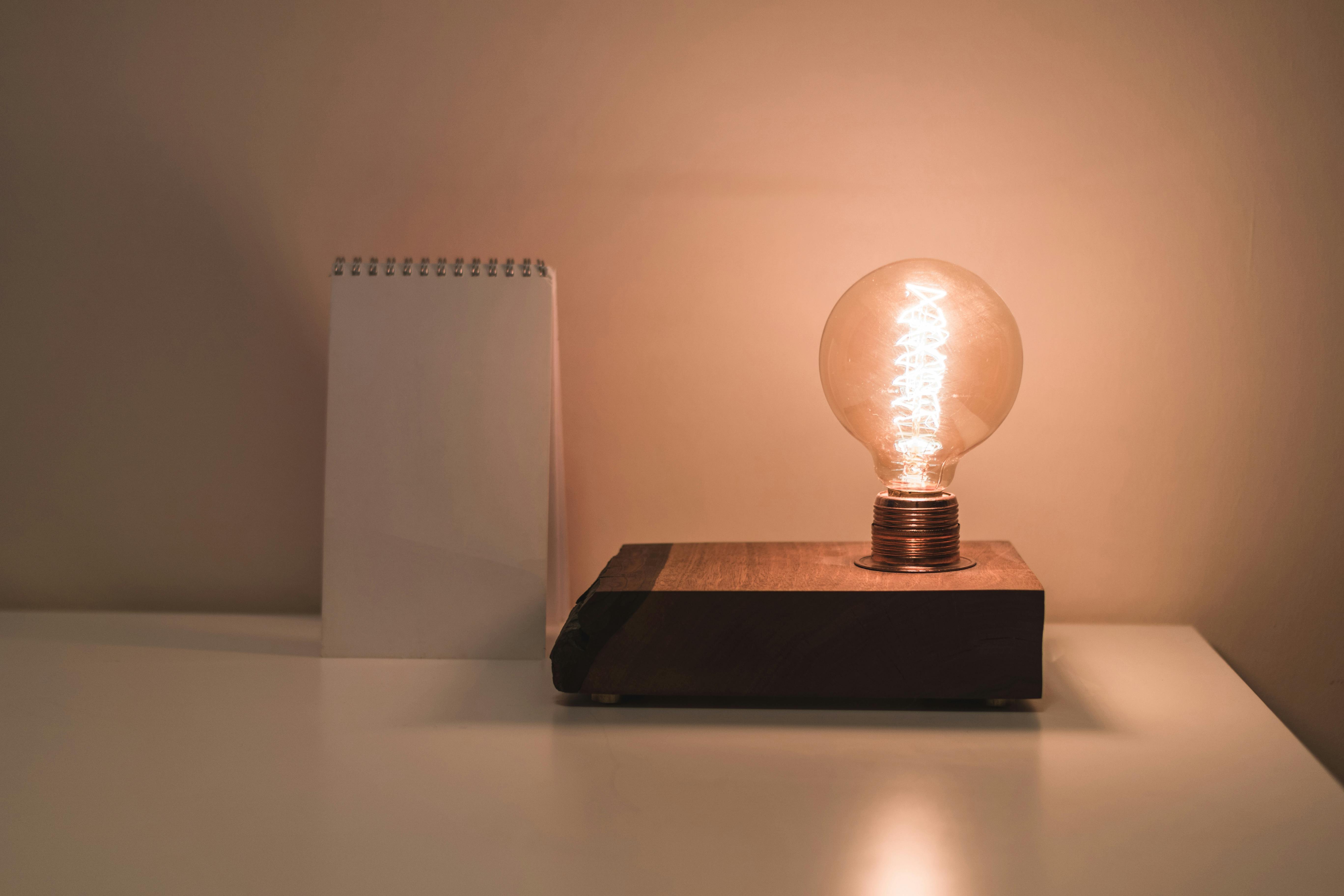
Lighting is often one of the most overlooked elements in interior design, yet it has the power to completely transform how a space looks and feels. Beyond simple visibility, lighting defines atmosphere, enhances functionality, and shapes the emotional experience of a room.
The Power of Atmosphere
The difference between a cold, uninviting room and a warm, welcoming space often comes down to lighting. Soft, warm tones can create a sense of comfort and relaxation, making living rooms and bedrooms feel more intimate. In contrast, brighter and cooler lighting can energize a space, making it ideal for kitchens, work areas, or creative studios.
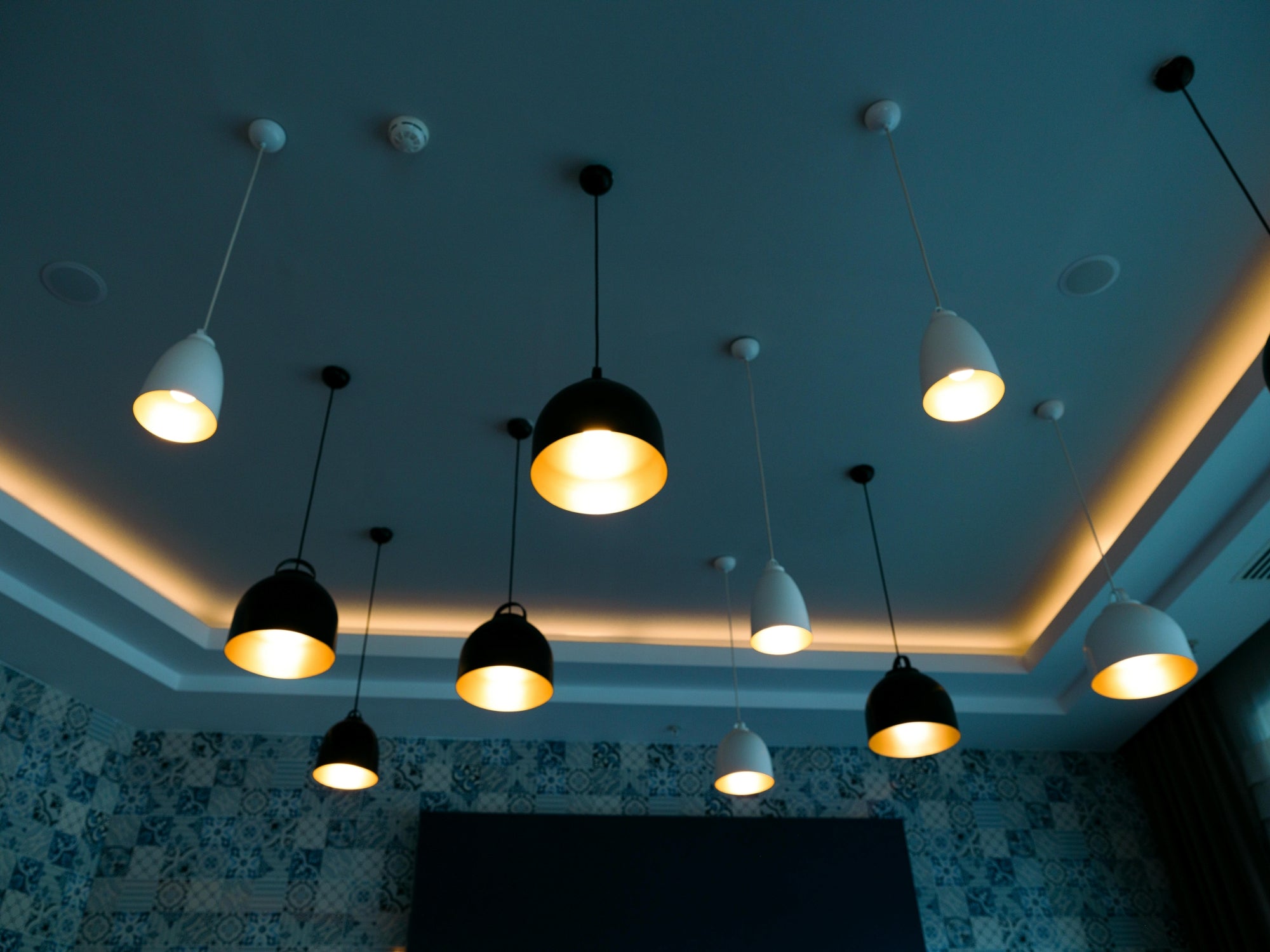
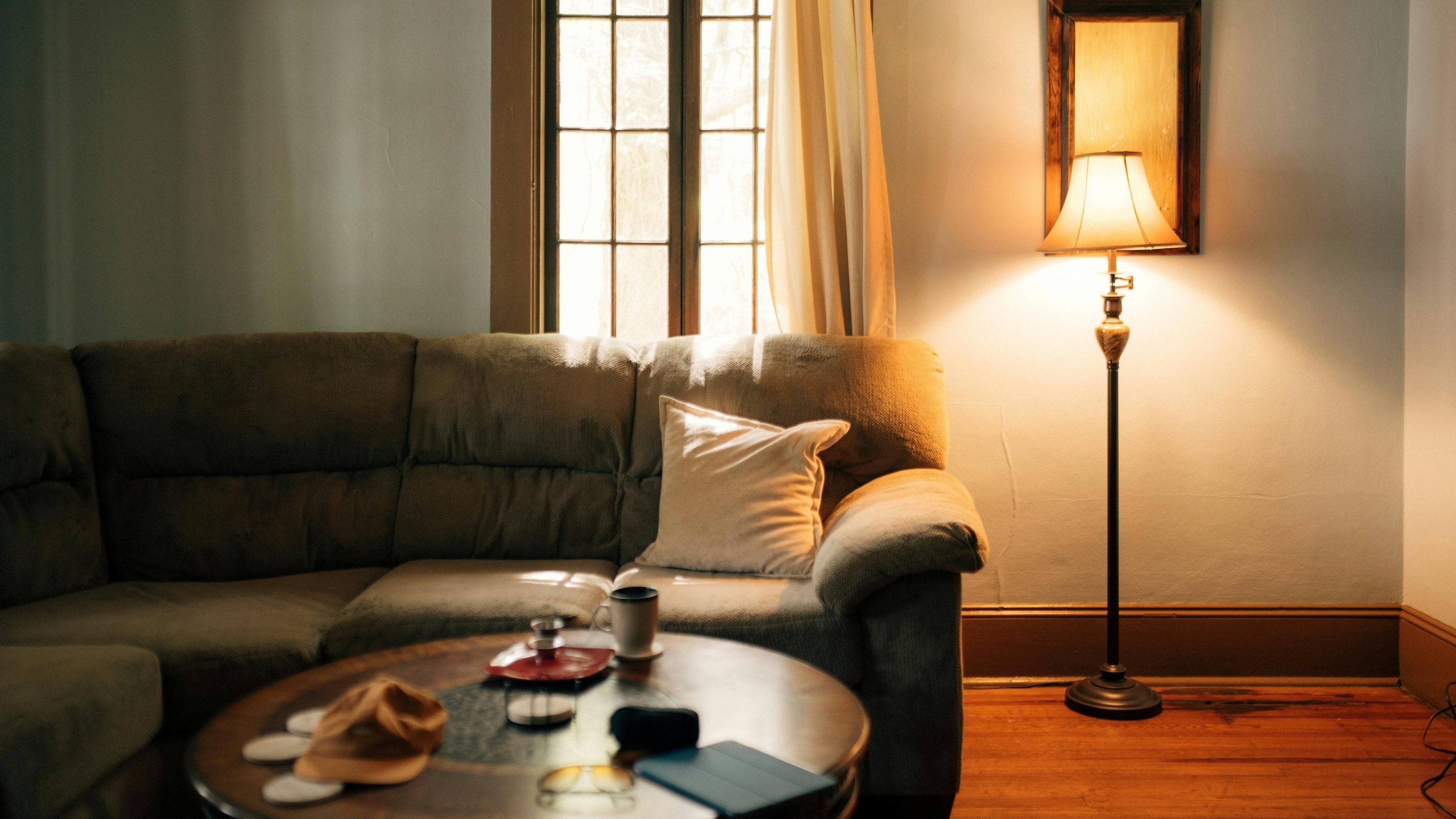
Lighting doesn’t just illuminate—it sets the mood. A carefully placed floor lamp in the corner can create a quiet, calming environment, while a statement ceiling light can add drama and sophistication.
Layering Light for Depth and Balance
One of the most effective ways to elevate your space is through layered lighting. Instead of relying on a single light source, combining multiple types of lighting creates depth and visual interest.
- Ambient Lighting: The primary source that fills the room with overall brightness, often from ceiling fixtures.
- Task Lighting: Focused lighting for specific activities like reading, cooking, or working.
- Accent Lighting: Decorative lighting used to highlight artwork, textures, or architectural features.
When these layers work together, they create a balanced environment that feels both functional and visually appealing.
Enhancing Design and Texture
Lighting has a unique ability to reveal the true character of your interior. It can highlight textures, emphasize materials, and bring out the richness of colors.
For example, warm lighting enhances wooden finishes and soft fabrics, creating a cozy feel. Directional lighting can cast subtle shadows that add depth to walls and surfaces, making a space feel more dynamic and thoughtfully designed.
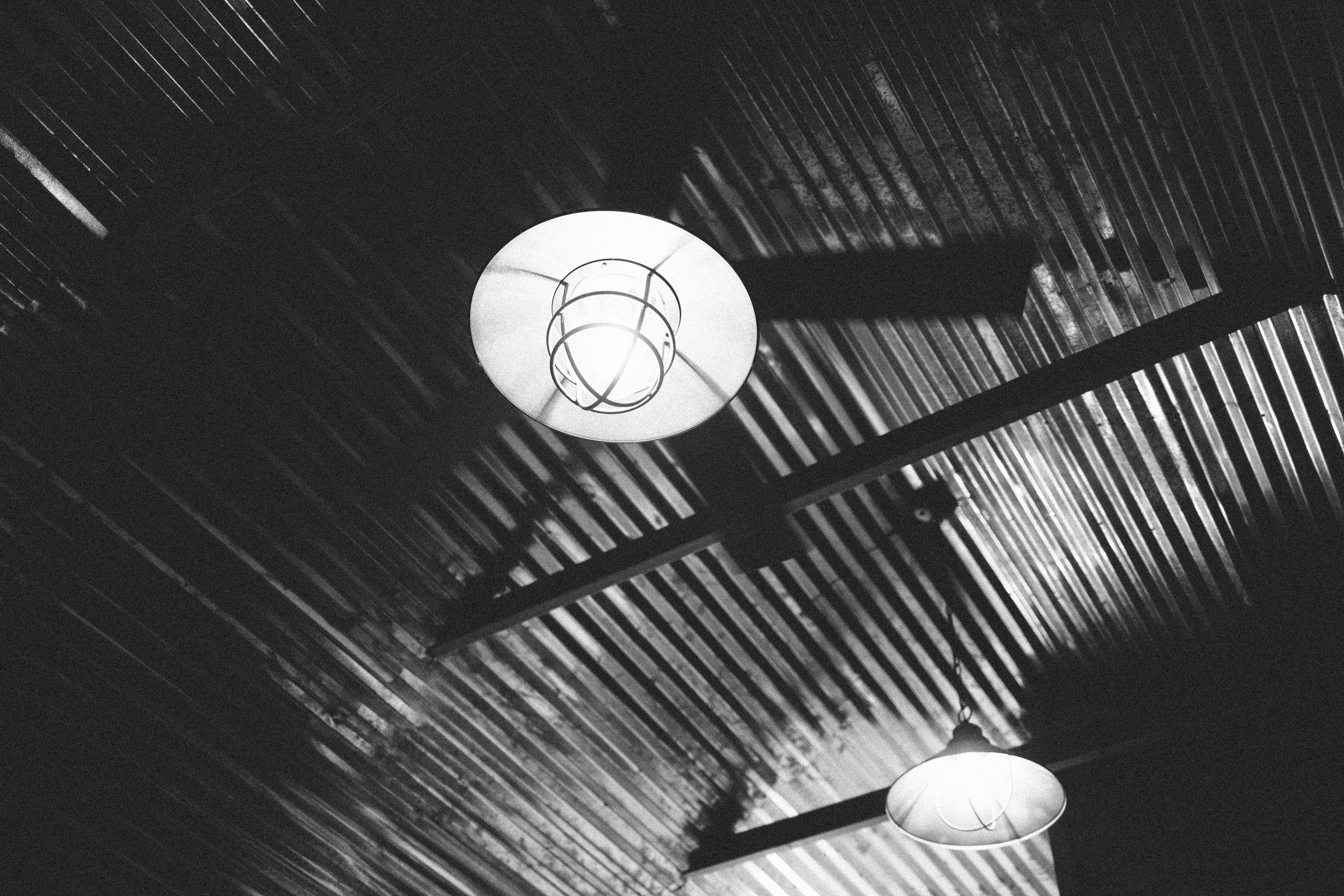
Even the design of the light fixture itself becomes part of the décor. A sculptural floor lamp or a modern ceiling light can act as a statement piece, blending functionality with artistic expression.
Function Meets Style
While aesthetics are important, functionality should never be overlooked. The right lighting improves how you use your space in everyday life.
A well-placed floor lamp next to a reading chair provides comfort and clarity. Adjustable lighting in workspaces reduces eye strain and increases productivity. In dining areas, softer lighting creates a more intimate and enjoyable experience.
The goal is to strike a balance—lighting that not only looks beautiful but also serves your daily needs effortlessly.
Creating a Personal Experience
Every home is unique, and lighting allows you to express your personal style. Whether you prefer a minimalist, modern look or something more classic and decorative, your lighting choices reflect your taste and lifestyle.
Subtle changes—like adjusting brightness, repositioning a lamp, or adding an additional light source—can completely shift the mood of a room.
Conclusion
Lighting is more than a finishing touch—it is a fundamental part of interior design. It shapes how spaces are experienced, influences mood, and enhances both form and function.
By thoughtfully combining different types of lighting and choosing designs that align with your style, you can transform any space into one that feels intentional, comfortable, and beautifully complete.